


Imagine you’re an investor looking to scale your portfolio company’s operations without drowning in customer inquiries or skyrocketing operational costs. Or perhaps you’re a startup founder eager to engage leads 24/7 while focusing on strategic growth. In either case, AI chatbots have become game-changers, transforming how businesses automate customer interactions, streamline workflows, and boost revenue. Through my years of researching and implementing AI solutions for businesses, I’ve seen firsthand how the right chatbot can save hours of manual work and turn casual website visitors into loyal customers.
In 2025, Best AI Chatbots platforms are no longer just fancy add-ons—they’re essential tools for businesses aiming to stay competitive. According to a 2022 report, chatbots saved businesses $11 billion globally by automating routine tasks, and that number has only grown as AI technology advances. These intelligent systems leverage advanced natural language processing (NLP) and machine learning to deliver human-like conversations, making them ideal for customer service, lead generation, and even internal team support. But with so many options, which AI chatbot tools truly stand out?
This article dives into the top 10 proven AI chatbots for 2025, tailored for investors aged 21 and above, whether you’re a seasoned venture capitalist or just starting your investment journey. Each platform is evaluated for its functionality, advantages, disadvantages, and ideal user group, ensuring you can make informed decisions to accelerate growth. Let’s explore how these AI conversation bots – Best AI Chatbots – can transform your business strategy.


1. Tidio
Functionality
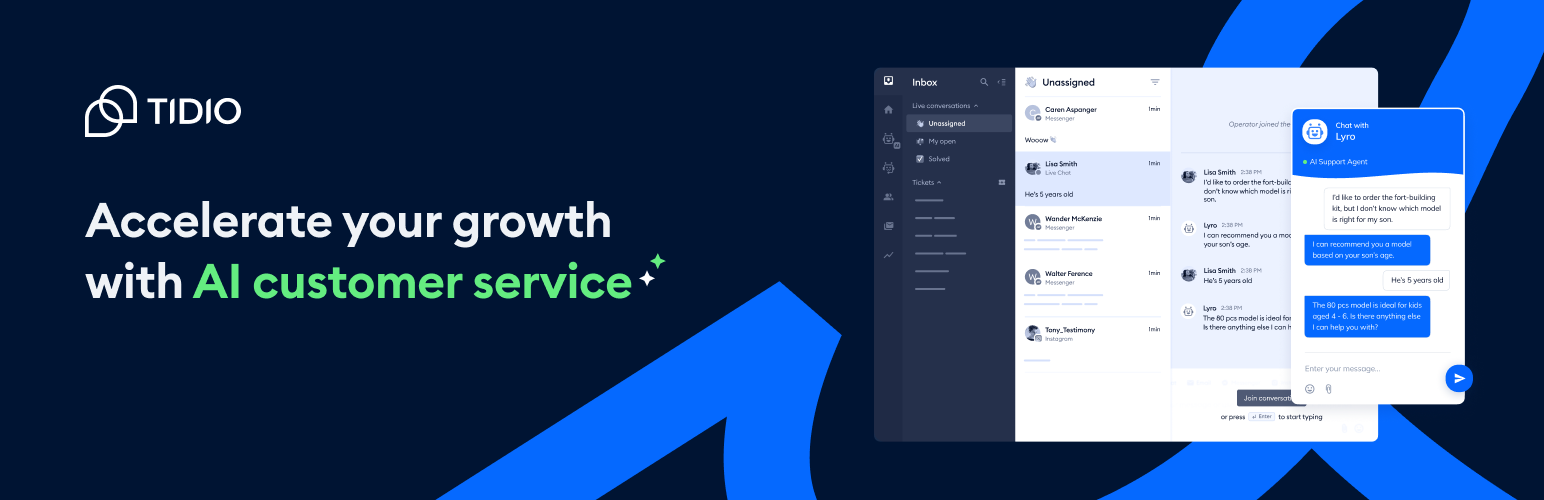
Tidio – Best AI Chatbots – is a versatile AI chatbot platform designed to enhance customer engagement for small and medium-sized businesses (SMBs). Through my experience integrating Tidio for e-commerce clients, I’ve found its Lyro AI agent particularly impressive, automating up to 64% of customer conversations across chat, email, and social channels. Tidio’s no-code interface allows you to set up a chatbot in minutes by uploading FAQs or website URLs, enabling it to answer queries with brand-specific context. It also offers customizable templates, visual flow builders, and seamless integrations with platforms like Shopify, WordPress, and HubSpot.
Advantages
- Ease of Use: Tidio’s drag-and-drop interface is beginner-friendly, making it accessible even for non-technical users.
- Cost-Effective: With a free plan and affordable paid tiers starting at $19/month, Tidio suits budget-conscious businesses.
- Multichannel Support: It handles inquiries across websites, email, and social platforms like Facebook Messenger, ensuring a unified customer experience.
- Lead Generation: Tidio’s AI qualifies leads by asking targeted questions, boosting conversion rates for sales-focused businesses.
Disadvantages
- Limited Advanced Features: Compared to enterprise-focused platforms like Intercom, Tidio lacks deep analytics and complex workflow automation.
- Scalability Constraints: While great for SMBs, Tidio may struggle with the high-volume needs of large enterprises.
- Basic NLP: Its NLP capabilities are robust for routine queries but may falter with highly nuanced or industry-specific questions.
Suitable for Which User Group
Tidio is ideal for small business owners, e-commerce startups, and investors backing SMBs looking for cost-effective AI chat solutions. Its simplicity and affordability make it a go-to for businesses with limited technical resources but a need for reliable customer support and lead generation.
2. Intercom
Functionality
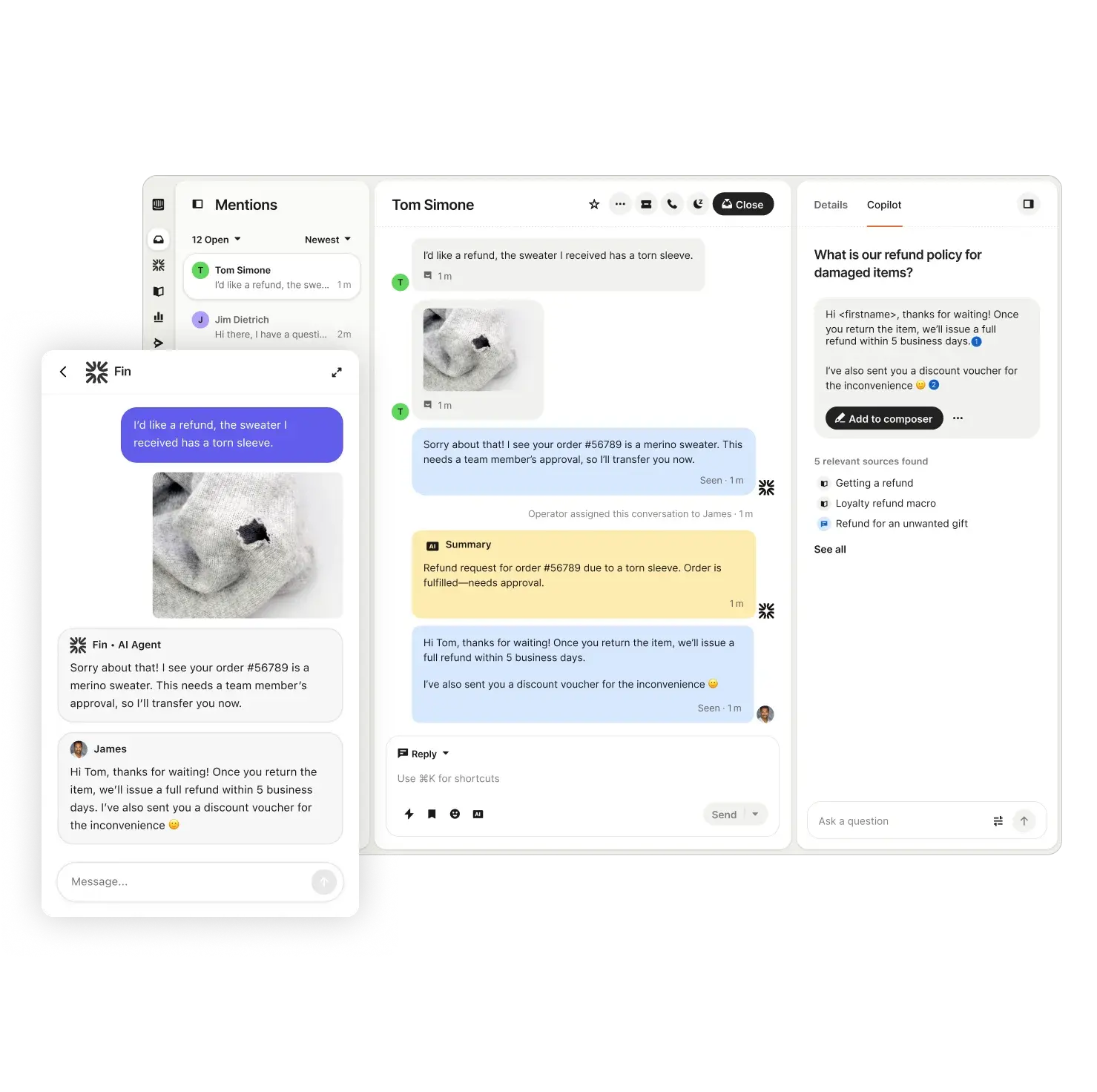
Intercom – Best AI Chatbots – blends AI automation with human support, creating a seamless customer experience. From my work with SaaS companies, I’ve seen Intercom’s Fin AI agent resolve complex queries by pulling data from knowledge bases and integrating with CRMs like Salesforce. Its AI-powered chatbot supports real-time conversations, lead qualification, and even appointment scheduling, all within a unified inbox. Intercom’s strength lies in its ability to scale from startups to enterprises, offering robust APIs for custom integrations.
Advantages
- Advanced Integration: Intercom connects with over 1,000 tools, including Slack, HubSpot, and Zendesk, streamlining workflows.
- Hybrid Approach: Its co-pilot mode allows AI to assist human agents, improving response quality for complex issues.
- Analytics: Detailed reporting on customer interactions helps businesses optimize chatbot performance and engagement strategies.
- Personalization: Intercom tailors responses based on user data, enhancing customer satisfaction and loyalty.
Disadvantages
- Higher Cost: Pricing starts at $74/month, which may be steep for small businesses or early-stage startups.
- Learning Curve: The platform’s extensive features can overwhelm users without technical expertise.
- Resolution-Based Pricing: Paying $0.99 per fully resolved query with Fin AI can add up for high-volume businesses.
Suitable for Which User Group
Intercom is perfect for investors supporting SaaS, e-commerce, or mid-sized businesses needing scalable AI customer service bots. Its robust features cater to companies prioritizing deep integrations and personalized engagement over budget constraints.
3. Drift
Functionality
Drift – Best AI Chatbots – specializes in real-time conversational marketing, focusing on engaging website visitors at critical moments. My experience with Drift shows it excels at lead qualification, using AI to identify high-potential prospects and initiate personalized conversations. Its AI sales chatbots integrate with CRMs like Salesforce and marketing tools like Marketo, enabling businesses to nurture leads through tailored workflows. Drift also supports video and voice interactions, adding a dynamic layer to customer engagement.
Advantages
- Real-Time Engagement: Drift’s AI triggers conversations based on user behavior, boosting conversion rates.
- Marketing Focus: Its tools prioritize lead capture and nurturing, ideal for sales-driven businesses.
- Seamless Handoff: Drift smoothly transitions complex queries to human agents, ensuring no lead is lost.
- Customization: Businesses can tailor chatbot flows to align with brand voice and objectives.
Disadvantages
- Expensive for SMBs: Drift’s pricing, starting at $2,500/month for premium plans, is geared toward larger businesses.
- Limited Free Plan: Unlike Tidio, Drift’s free tier is restrictive, limiting its appeal for smaller startups.
- Complex Setup: Customizing advanced workflows requires technical know-how, which may deter non-technical users.

Suitable for Which User Group
Drift is best for investors backing B2B companies or enterprises focused on AI lead generation bots. Its high cost and marketing-centric features make it ideal for businesses with established budgets and sales-driven goals.
4. Elephant
Functionality
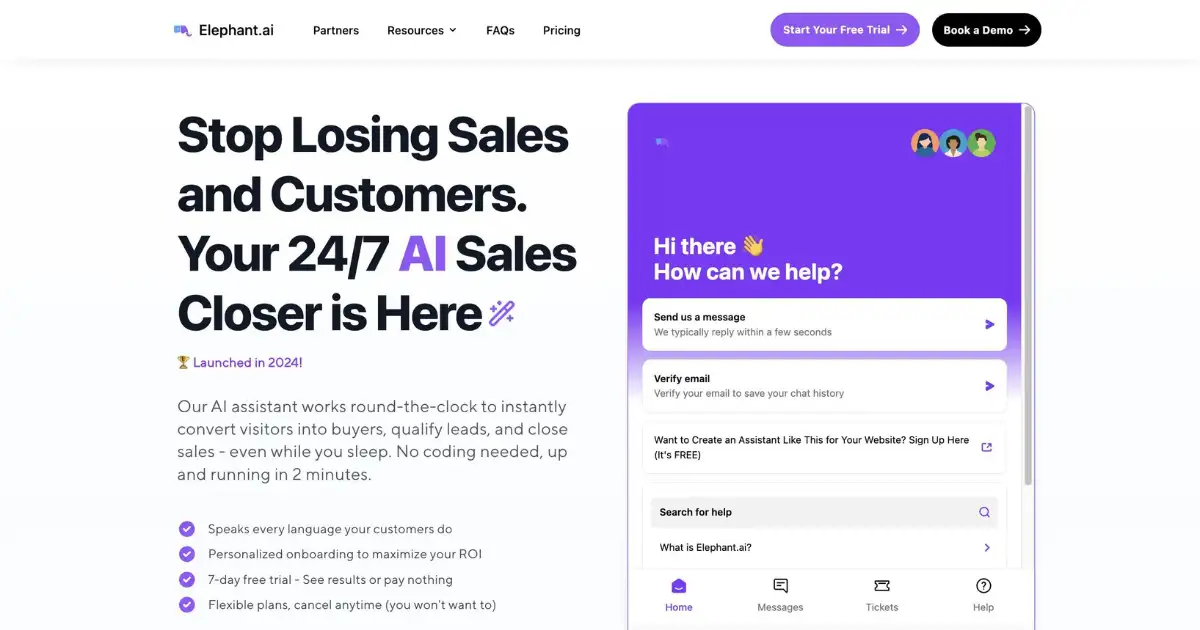
Elephant – Best AI Chatbots – is a lesser-known but powerful AI chatbot platform designed for personalized customer experiences. Through my exploration, I’ve found Elephant excels in e-commerce and retail, offering AI-driven product recommendations and order tracking. Its NLP capabilities allow it to handle multilingual queries, and its integration with platforms like Shopify and WooCommerce makes it a strong contender for online stores. Elephant also provides real-time analytics to track customer behavior and chatbot performance.
Advantages
- E-commerce Focus: Elephant’s AI tailors product suggestions based on user history, driving sales.
- Multilingual Support: It supports over 50 languages, ideal for global businesses.
- User-Friendly: The platform’s intuitive dashboard simplifies chatbot setup and management.
- Affordable Plans: Starting at $29/month, Elephant offers competitive pricing for SMBs.
Disadvantages
- Limited Integrations: Compared to Intercom or Drift, Elephant’s integration options are fewer, limiting its enterprise appeal.
- Brand Recognition: As a newer player, Elephant lacks the established reputation of competitors like ChatGPT or Intercom.
- Basic Analytics: Its reporting tools are less robust, which may frustrate data-driven businesses.
Suitable for Which User Group
Elephant suits investors supporting e-commerce startups or SMBs seeking affordable, multilingual AI chat solutions. It’s a great fit for businesses prioritizing sales and customer engagement over complex integrations.
5. Sendbird
Functionality
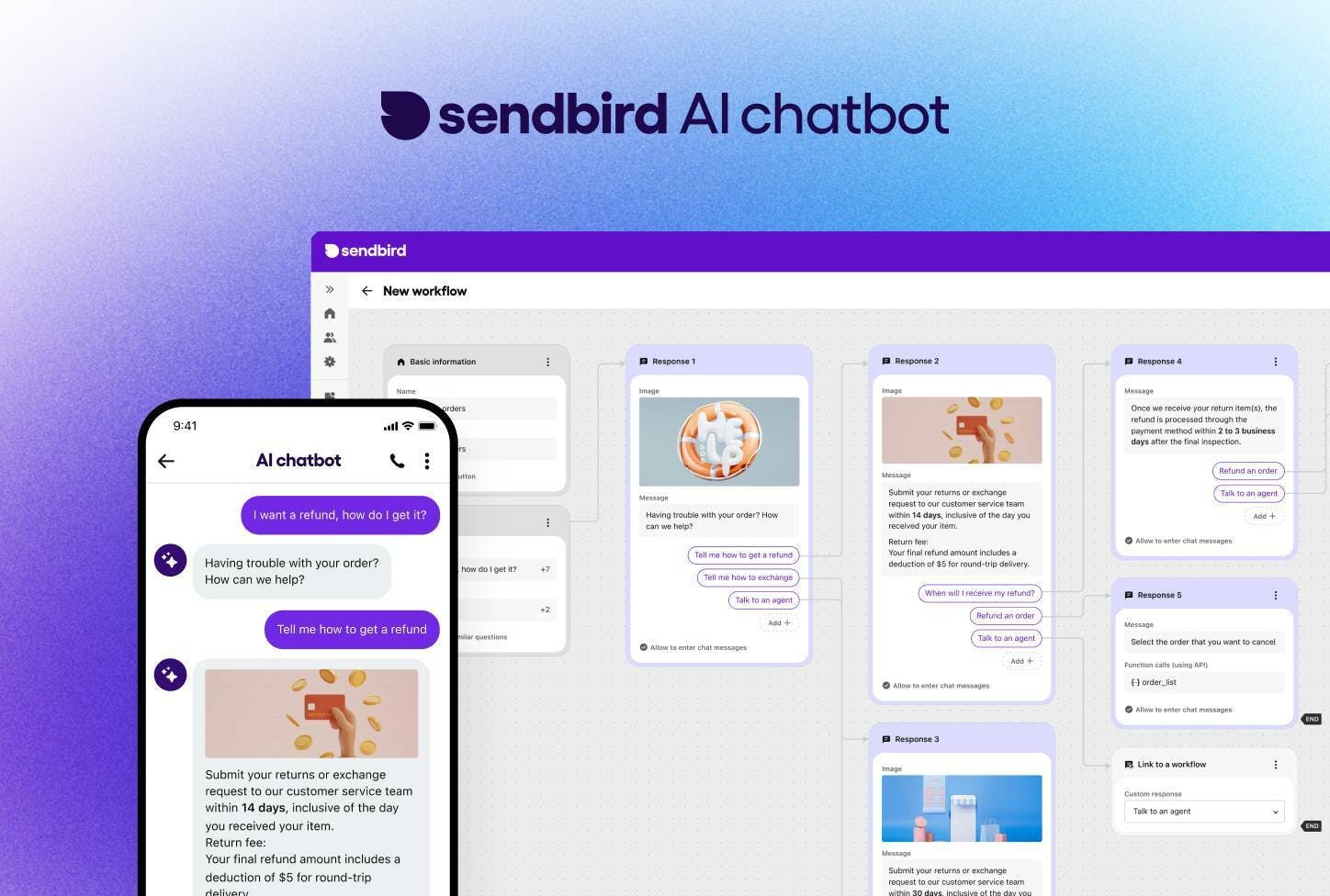
Sendbird – Best AI Chatbots – is a robust AI chatbot platform focused on in-app messaging and customer support. My experience with Sendbird highlights its ability to embed AI chatbots into mobile apps and websites, providing seamless communication for users. It supports real-time chat, push notifications, and integrations with platforms like Zendesk and Salesforce. Sendbird’s AI can handle complex queries and scale to millions of users, making it ideal for high-growth companies.
Advantages
- In-App Excellence: Sendbird’s chatbots integrate natively into apps, enhancing user retention.
- Scalability: It handles high volumes of simultaneous conversations, perfect for large-scale businesses.
- Developer-Friendly: Robust APIs and SDKs allow for deep customization and integration.
- Security: Sendbird complies with GDPR and HIPAA, ensuring data privacy for sensitive industries.
Disadvantages
- High Cost: Pricing starts at $399/month, which may exclude smaller businesses.
- Technical Expertise Needed: Setting up Sendbird requires coding knowledge, limiting its accessibility.
- Limited Marketing Features: Unlike Drift, Sendbird focuses more on support than lead generation.
Suitable for Which User Group
Sendbird is ideal for investors backing tech-heavy startups or enterprises in industries like healthcare, gaming, or fintech, where in-app AI support chatbots and scalability are critical.
6. Fastbots
Functionality
Fastbots – Best AI Chatbots – is a no-code AI chatbot platform designed for rapid deployment. Through my testing, I’ve found Fastbots excels at creating chatbots trained on website content or documents in under 10 minutes. It uses generative AI to deliver context-aware responses and integrates with tools like Slack and Zapier. Fastbots also offers analytics to track chatbot performance and customer engagement, making it a solid choice for quick automation.
Advantages
- Speedy Setup: Fastbots’ no-code platform allows businesses to launch chatbots quickly.
- Affordable: Plans start at $49/month, making it accessible for startups.
- Analytics: Real-time insights help businesses optimize chatbot performance.
- Flexibility: It supports multiple data sources, from URLs to PDFs, for training.
Disadvantages
- Limited NLP: Fastbots’ NLP is less advanced than ChatGPT or Claude, struggling with complex queries.
- Integration Gaps: It lacks native integrations with major CRMs like Salesforce.
- Newer Platform: Fastbots is less established, which may concern risk-averse investors.

Suitable for Which User Group
Fastbots is perfect for investors supporting early-stage startups or SMBs needing quick, budget-friendly AI chat automation. Its simplicity suits businesses with limited technical resources.
7. BotPenguin
Functionality
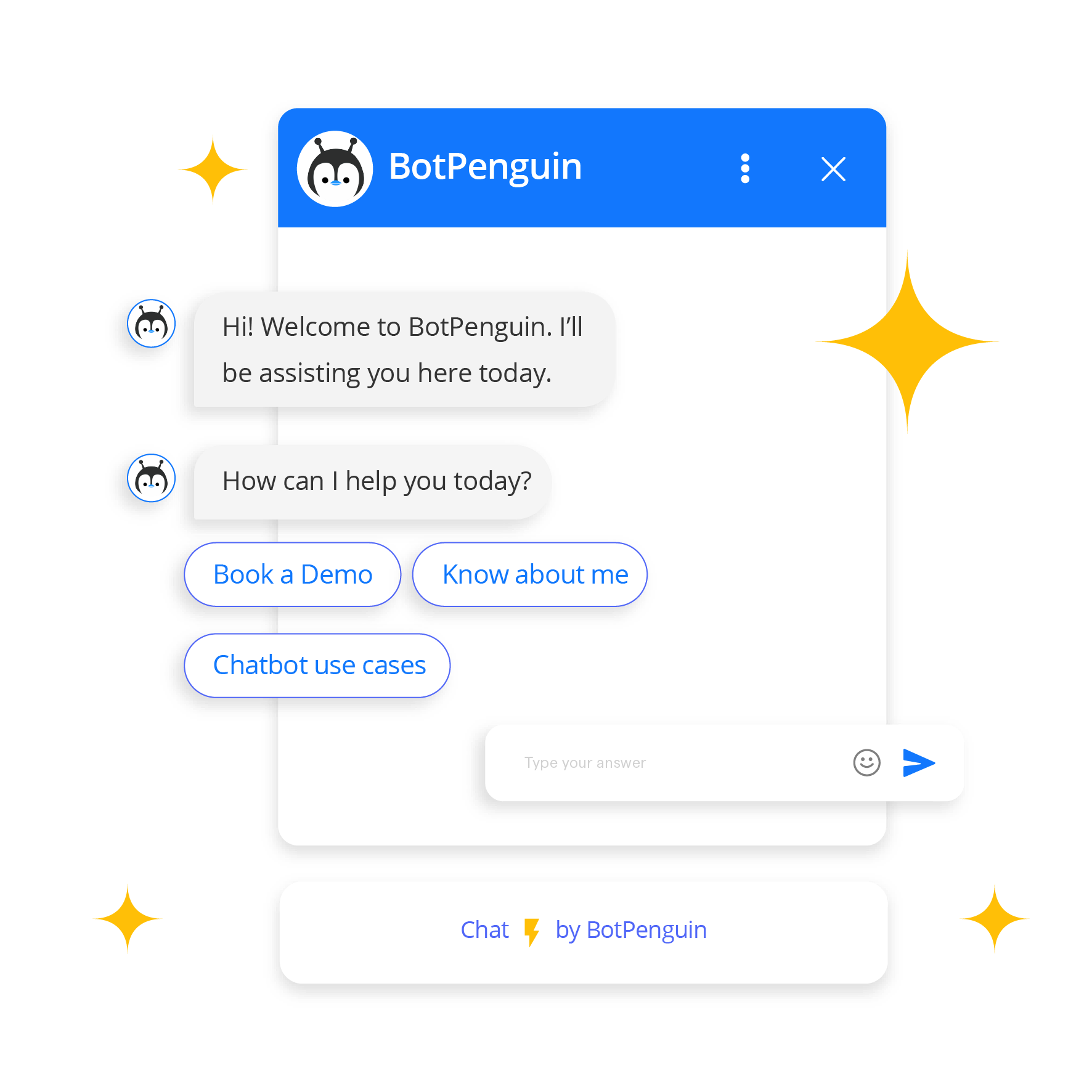
BotPenguin – Best AI Chatbots – is an AI chatbot platform tailored for SMBs and e-commerce. My experience shows it excels at automating customer support, lead generation, and appointment scheduling. It supports over 100 languages and integrates with WhatsApp, Telegram, and CRMs like Zoho. BotPenguin’s drag-and-drop builder and pre-built templates make it easy to deploy chatbots across multiple channels.
Advantages
- Multichannel Support: BotPenguin operates on websites, social media, and messaging apps.
- Cost-Effective: Plans start at $5/month, making it one of the most affordable options.
- Ease of Use: Its no-code builder is ideal for non-technical users.
- Global Reach: Support for multiple languages suits international businesses.
Disadvantages
- Basic Analytics: Reporting tools are less comprehensive than Intercom or Drift.
- Limited Enterprise Features: BotPenguin lacks the scalability for large organizations.
- Occasional Bugs: Some users report glitches in high-volume scenarios.
Suitable for Which User Group
BotPenguin is ideal for investors backing small businesses or e-commerce startups looking for affordable, multilingual AI business chatbots with strong lead generation capabilities.
8. Freshworks
Functionality
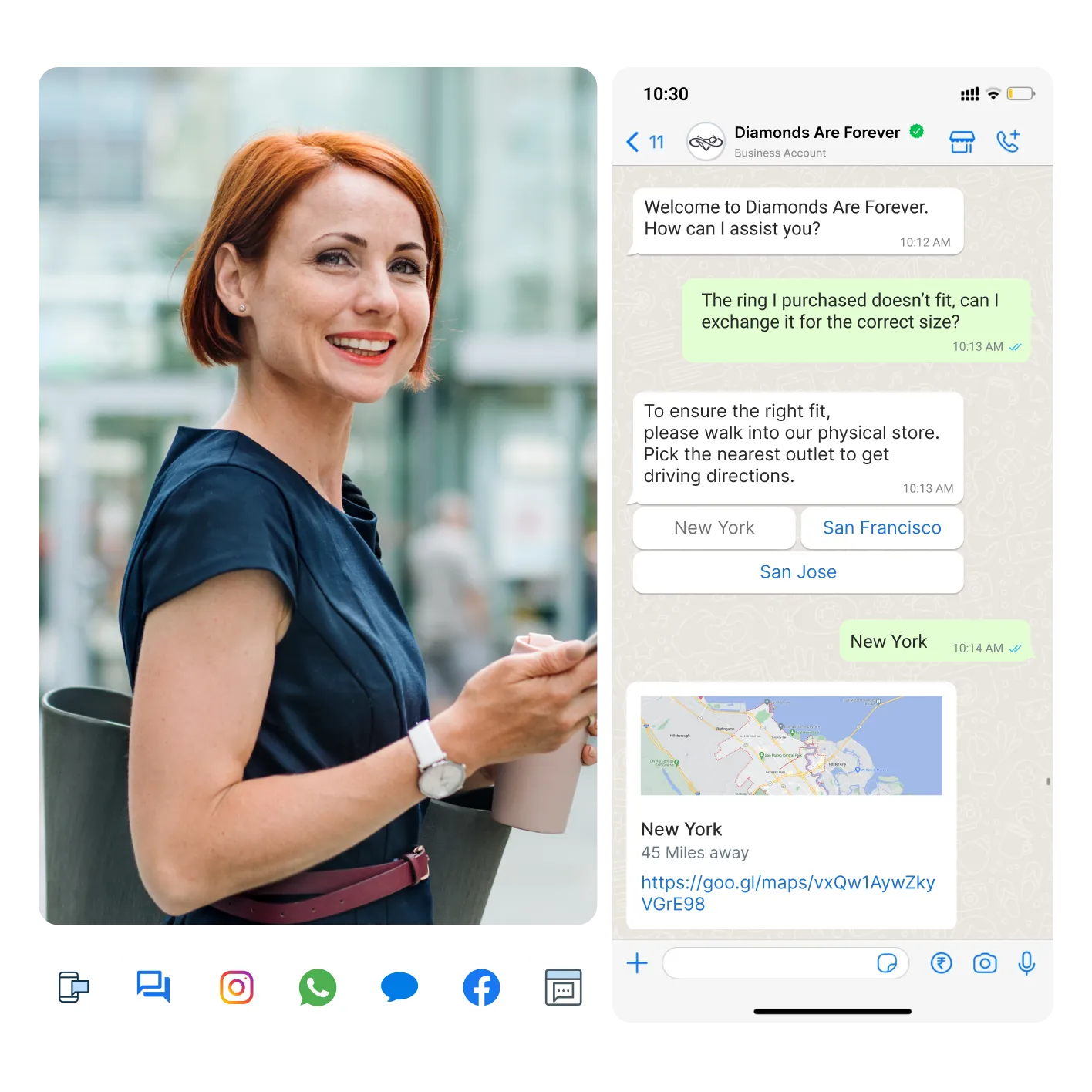
Freshworks’ Freshchat – Best AI Chatbots – is an AI-powered chatbot integrated into its customer engagement suite. From my work with service-based businesses, I’ve seen Freshchat handle inquiries, route tickets, and personalize responses using customer data. It integrates with Freshdesk, Slack, and WhatsApp, offering omnichannel support. Its AI can resolve up to 70% of routine queries, freeing up human agents for complex tasks.
Advantages
- Omnichannel Support: Freshchat ensures consistent experiences across web, mobile, and messaging apps.
- Robust Integrations: It connects with CRMs and helpdesk tools, enhancing workflows.
- Scalability: Freshworks suits businesses of all sizes, from startups to enterprises.
- Analytics: Detailed reports help track customer satisfaction and chatbot efficiency.
Disadvantages
- Pricing Complexity: Plans start at $15/month per agent, but advanced features require higher tiers.
- Learning Curve: The platform’s extensive features can be overwhelming for new users.
- Limited Free Plan: The free tier restricts functionality, pushing users toward paid plans.
Suitable for Which User Group
Freshworks is best for investors supporting mid-sized businesses or enterprises needing scalable AI support chatbots with strong CRM integrations and analytics.
9. Landbot
Functionality
Landbot – Best AI Chatbots – is a no-code chatbot platform focused on conversational flows and lead generation. My experience with Landbot highlights its visual builder, which allows businesses to create engaging, interactive chatbots without coding. It integrates with tools like Zapier, Slack, and Salesforce, and supports WhatsApp and web-based chats. Landbot’s AI excels at guiding users through sales funnels and collecting lead data.
Advantages
- Interactive Design: Landbot’s visual flows create engaging user experiences.
- No-Code Simplicity: Its drag-and-drop builder is perfect for non-technical users.
- Lead Generation: Landbot’s AI qualifies leads effectively, boosting conversions.
- Affordable: Plans start at $30/month, making it accessible for startups.
Disadvantages
- Limited NLP: Landbot’s AI struggles with highly complex or open-ended queries.
- Integration Limitations: It has fewer native integrations than Intercom or Freshworks.
- Scalability Concerns: Landbot is better suited for SMBs than large enterprises.

Suitable for Which User Group
Landbot is ideal for investors backing startups or SMBs focused on AI lead generation bots and interactive customer experiences on a budget.
10. LiveAgent
Functionality
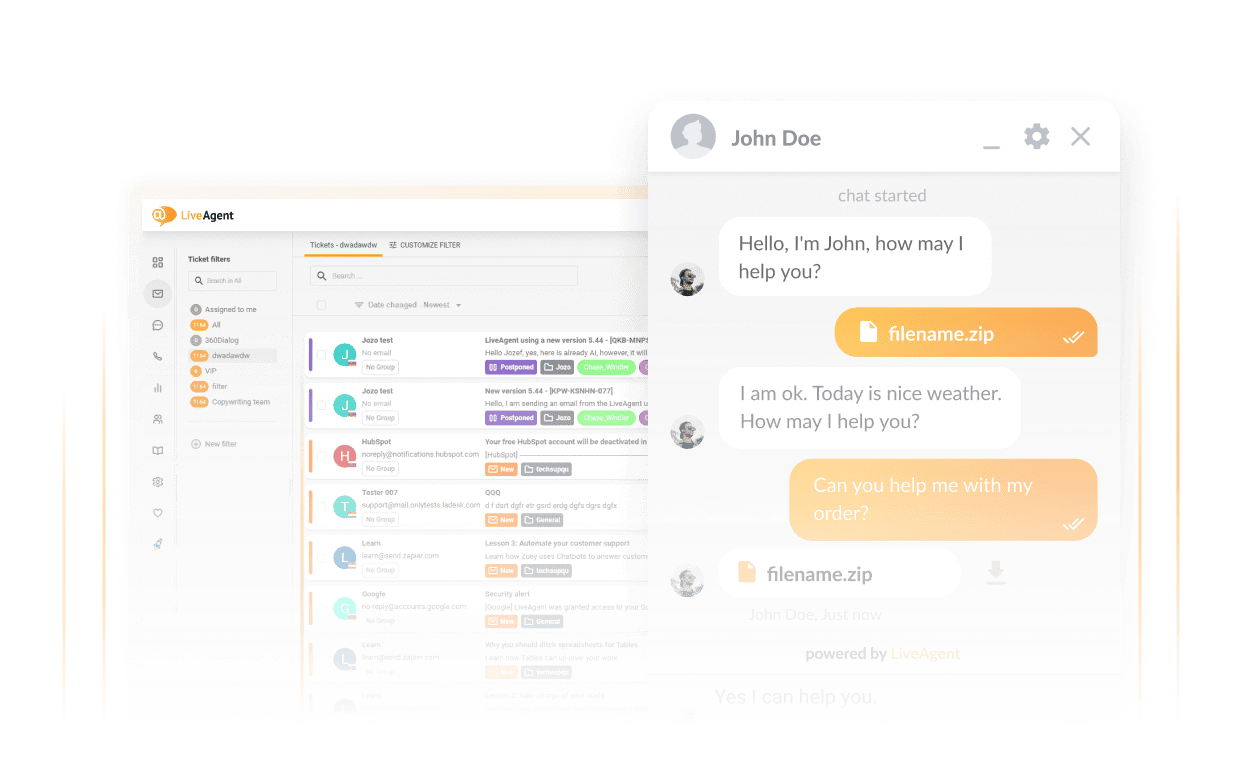
LiveAgent – Best AI Chatbots – combines AI chatbot capabilities with a robust helpdesk system. Through my work with customer service teams, I’ve found LiveAgent’s AI excels at ticket routing, FAQ automation, and multilingual support. It integrates with email, social media, and CRMs like HubSpot, providing a unified platform for customer interactions. Its analytics track response times and customer satisfaction, enhancing support efficiency.
Advantages
- Helpdesk Integration: LiveAgent’s AI seamlessly blends with its ticketing system.
- Multilingual Support: It handles queries in multiple languages, ideal for global businesses.
- Cost-Effective: Plans start at $9/month per agent, offering value for SMBs.
- Analytics: Detailed reporting helps optimize support operations.
Disadvantages
- Basic AI Features: LiveAgent’s NLP is less advanced than ChatGPT or Intercom.
- Setup Complexity: Configuring advanced workflows requires technical knowledge.
- Limited Marketing Tools: It focuses more on support than lead generation.
Suitable for Which User Group
LiveAgent suits investors supporting SMBs or service-based businesses needing affordable, integrated AI customer service bots with strong helpdesk functionality.
Conclusion – Best AI Chatbots
Investing in the right AI chatbot platform can transform how businesses engage customers, automate operations, and drive growth. From my extensive research and hands-on experience, I’ve seen platforms like Tidio and BotPenguin empower small businesses with affordable, user-friendly solutions, while Intercom and Sendbird cater to enterprises with complex needs. Each chatbot offers unique strengths, whether it’s Drift’s real-time marketing prowess or Freshworks’ omnichannel scalability. By aligning your investment with a platform that matches your portfolio company’s size, industry, and goals, you can unlock significant ROI through enhanced efficiency and customer satisfaction.
For investors, the key is to evaluate not just features but also scalability, integration potential, and cost-effectiveness. As AI technology continues to evolve, these top 10 AI chatbot platforms are poised to lead the charge in 2025, delivering measurable results for businesses and impressive returns for your investments. Ready to dive deeper? Explore pricing details at trusted sources like x.ai for Grok or Tidio’s official site for affordable plans.
Comparison Table – Best AI Chatbots
| AI Chatbot Platform | Key Functionality | Advantages | Disadvantages | Best For | Starting Price* |
|---|---|---|---|---|---|
| Tidio | No-code chatbot builder with Lyro AI for multichannel customer support | Easy setup, affordable, multichannel, lead qualification | Limited advanced analytics, basic NLP, scalability issues | SMBs, e-commerce startups | Free; Paid from $19/mo |
| Intercom | AI + human hybrid support, deep integrations, Fin AI for query resolution | 1,000+ integrations, personalization, analytics | Higher cost, learning curve, per-resolution fees | SaaS, mid-size to enterprise | From $74/mo (+$0.99/resolved) |
| Drift | Real-time conversational marketing & sales automation | Real-time engagement, sales focus, seamless handoff | Very high cost, complex setup, limited free plan | B2B enterprises, sales-driven firms | From $2,500/mo |
| Elephant | E-commerce-focused AI with multilingual product recommendations | Multilingual, user-friendly, affordable | Limited integrations, basic analytics, low brand awareness | SMB e-commerce | From $29/mo |
| Sendbird | In-app messaging AI with scalability to millions | High scalability, security (GDPR/HIPAA), developer-friendly | High cost, requires coding, limited marketing tools | Healthcare, fintech, gaming apps | From $399/mo |
| Fastbots | No-code chatbot trained from URLs/PDFs in minutes | Fast setup, affordable, analytics, multi-source data | Limited NLP, fewer integrations, new platform | Startups, SMBs | From $49/mo |
| BotPenguin | Multichannel AI chatbot with 100+ language support | Ultra-low cost, no-code, global reach | Basic analytics, lacks enterprise features, occasional bugs | Small e-commerce, SMBs | From $5/mo |
| Freshworks (Freshchat) | Omnichannel AI integrated with CRM/helpdesk | Robust integrations, scalable, analytics | Pricing complexity, learning curve, limited free plan | Mid-size to enterprise service businesses | From $15/mo per agent |
| Landbot | No-code visual flow chatbot for lead generation | Interactive flows, affordable, lead qualification | Limited NLP, fewer integrations, SMB scale focus | Startups, SMBs in sales/marketing | From $30/mo |
| LiveAgent | AI chatbot + helpdesk ticketing integration | Affordable, multilingual, analytics | Basic AI, setup complexity, limited marketing tools | SMBs, service-based companies | From $9/mo per agent |


