

What Is Viewmax? A Complete Guide to Its Features and Benefits
Introduction to Viewmax
In today’s fast-evolving digital landscape, tools that enhance productivity and streamline workflows are more valuable than ever. One such tool gaining attention is Viewmax. Whether you are a business owner, content creator, or part of a marketing team, understanding how Viewmax works can give you a competitive edge.
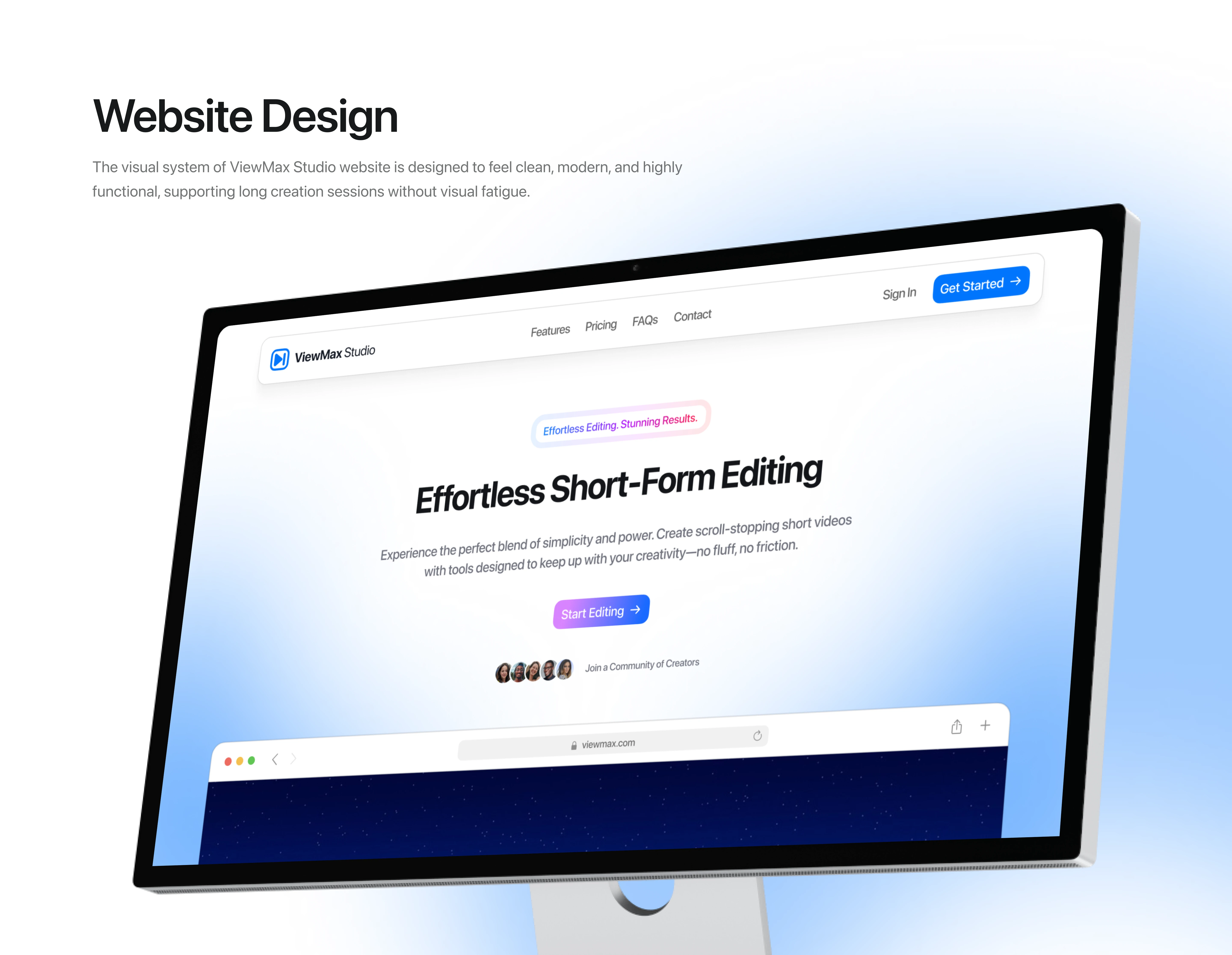
At its core, Viewmax is designed to optimize how users interact with data, visuals, or performance metrics, depending on its application context. It simplifies complex processes, making it easier to analyze information and make informed decisions. As industries increasingly rely on data-driven strategies, tools like Viewmax are becoming essential rather than optional.
This guide will walk you through everything you need to know, from key features to real-world benefits, helping you determine whether Viewmax is the right solution for your needs.
Key Features of Viewmax
One of the main reasons Viewmax stands out is its comprehensive set of features designed to improve efficiency and usability. Unlike traditional tools, it integrates multiple functionalities into a single platform.
First, Viewmax offers advanced analytics capabilities. Users can track performance metrics in real time, enabling quicker adjustments and better strategic planning. This is particularly useful for businesses that rely on constant optimization.
Another notable feature is its user-friendly interface. Even those with limited technical expertise can navigate Viewmax with ease. The intuitive dashboard ensures that users can access important insights without spending hours learning the system.
Additionally, Viewmax supports customization. Users can tailor dashboards, reports, and workflows according to their specific goals. This flexibility makes it suitable for a wide range of industries, from marketing to operations.
Finally, integration is a key strength. Viewmax can often connect seamlessly with other tools and platforms, allowing users to centralize their data and reduce the need for switching between multiple systems.
Benefits of Using Viewmax

Adopting Viewmax can bring numerous advantages, particularly for organizations aiming to improve productivity and decision-making.
One of the biggest benefits is time efficiency. By consolidating multiple processes into one platform, Viewmax reduces the time spent on manual tasks. This allows teams to focus on more strategic activities rather than repetitive work.
Another important benefit is improved accuracy. Since Viewmax automates data collection and analysis, the risk of human error is significantly reduced. This leads to more reliable insights and better outcomes.
Cost-effectiveness is also worth noting. Instead of investing in multiple tools, businesses can rely on Viewmax as an all-in-one solution. This not only saves money but also simplifies management and training.
Moreover, enhanced collaboration is a major advantage. Teams can share insights, reports, and dashboards within Viewmax, ensuring everyone stays aligned and informed.
Use Cases and Practical Applications
The versatility of this platform makes it suitable for various use cases across different industries. For example, marketing teams can use it to monitor campaign performance, track engagement metrics, and optimize strategies in real time.
In business operations, it can help managers oversee workflows, identify inefficiencies, and improve overall productivity. By providing clear and actionable insights, it empowers decision-makers to act quickly and confidently.
Content creators and digital professionals can also benefit by using it to analyze audience behavior and refine their content strategies. This ensures that their efforts are aligned with audience preferences and market trends.
Additionally, organizations focused on data analysis can leverage it to simplify complex datasets and generate meaningful reports. This makes it easier to communicate insights to stakeholders and drive informed decisions.
Tips for Getting the Most Out of the Platform
To fully maximize its potential, users should adopt a strategic approach when implementing this tool. Start by clearly defining your goals—whether it’s improving efficiency, enhancing analytics, or boosting collaboration. Having a clear objective will help you use the platform more effectively.
Next, take advantage of customization options. Tailoring dashboards and reports to match your specific needs ensures that you are always focusing on the most relevant data. This not only improves productivity but also enhances decision-making.
Training is another critical factor. Even though the interface is user-friendly, investing time in learning advanced features can significantly increase the value you get. Teams that understand the full capabilities tend to perform better and achieve faster results.
Finally, regularly review and optimize your workflows. Technology evolves quickly, and continuously refining how you use the platform will ensure you stay ahead of the curve.
Common Challenges and How to Overcome Them

Like any digital solution, users may encounter certain challenges during implementation. One common issue is the initial learning curve. While the system is designed to be intuitive, new users may still need time to adapt. This can be addressed through proper onboarding and training sessions.
Another challenge is data overload. With access to large amounts of information, it can be difficult to focus on what truly matters. The key is to set clear priorities and use filters or customized dashboards to highlight essential metrics.
Integration issues may also arise, especially when connecting with multiple external tools. Ensuring compatibility and working with technical support can help resolve these problems efficiently.
Lastly, maintaining consistency across teams can be difficult. Establishing standardized processes and guidelines will help ensure everyone uses the platform effectively and consistently.
Conclusion
Understanding what this tool is and how it works can open up new opportunities for efficiency and growth. With its powerful features, user-friendly design, and wide range of applications, it has become a valuable tool in today’s digital environment.
Whether you are looking to improve productivity, enhance data accuracy, or streamline operations, it offers a comprehensive solution. By integrating it into your workflow, you can stay ahead in an increasingly competitive landscape and make smarter, data-driven decisions.


