



Top Online Course Platform for Entrepreneurs in 2026
Discover the best platform to create, market, and sell online courses in 2026. These solution help entrepreneurs build scalable digital education businesses with ease.

Introduction: A New Era of Digital Education
The digital education industry in 2026 is no longer just an alternative to traditional learning—it has become a dominant force shaping how knowledge is consumed, monetized, and scaled globally. Over the past decade, platforms like Teachable have fundamentally redefined the barriers to entry for educators and entrepreneurs. What previously required institutional backing, complex LMS systems, and significant upfront investment can now be executed by a solo creator with a laptop and internet connection.

Teachable has emerged as one of the most influential platforms in this transformation by offering a streamlined, user-friendly environment where anyone can build, launch, and manage online courses. This accessibility has led to an explosion of digital products across industries, ranging from business and finance to fitness, AI, and personal development.
In 2026, the concept of “online education” is no longer limited to static video courses. Instead, it includes interactive learning experiences, hybrid coaching models, and community-driven ecosystems. Teachable continues to evolve alongside these trends, positioning itself not just as a course platform but as a comprehensive infrastructure for knowledge-based businesses.
The Rise of Creator-Led Education Businesses
One of the most defining characteristics of the modern education economy is the rise of creator-led businesses. Individuals are no longer dependent on universities or corporate training systems to share their knowledge. Instead, they build personal brands and monetize expertise directly through platforms like Teachable.
This shift has created a new class of digital entrepreneurs—people who combine content creation, marketing, and product development into a single business model. With Teachable, these creators can quickly validate ideas, launch minimum viable courses, and iterate based on audience feedback. This agile approach allows them to stay ahead of market trends and continuously refine their offerings.
Another important factor driving this trend is the increasing demand for niche knowledge. In 2026, broad, generic courses are less effective compared to highly targeted, outcome-driven programs. Teachable enables creators to cater to micro-niches, such as “AI tools for real estate agents” or “TikTok ads for e-commerce beginners,” where competition is lower but demand is highly specific.
The result is a decentralized education ecosystem where value is driven by relevance and expertise rather than institutional reputation. Teachable plays a critical role in enabling this shift by giving creators full control over pricing, branding, and customer relationships.
Technology Advancements Driving Growth
Technological innovation is at the core of the online course industry’s rapid expansion, and Teachable continues to integrate advanced tools that enhance both the creator and student experience. In 2026, artificial intelligence is deeply embedded into the platform, enabling features such as personalized learning paths, automated feedback systems, and predictive analytics.
Teachable allows creators to analyze student behavior in detail—tracking metrics like completion rates, engagement time, and drop-off points. These insights are invaluable for optimizing course structure and improving learning outcomes. Instead of guessing what works, creators can make data-driven decisions that directly impact revenue and retention.
Automation is another key driver of growth. Teachable integrates with email marketing platforms, CRM systems, and payment gateways, allowing creators to build fully automated sales funnels. From lead capture to onboarding and upselling, the entire customer journey can be managed within a connected ecosystem.
Moreover, the platform’s scalability ensures that businesses can grow without technical limitations. Whether serving 100 students or 100,000, Teachable provides the infrastructure needed to handle traffic, payments, and content delivery efficiently.
Monetization Strategies in 2026
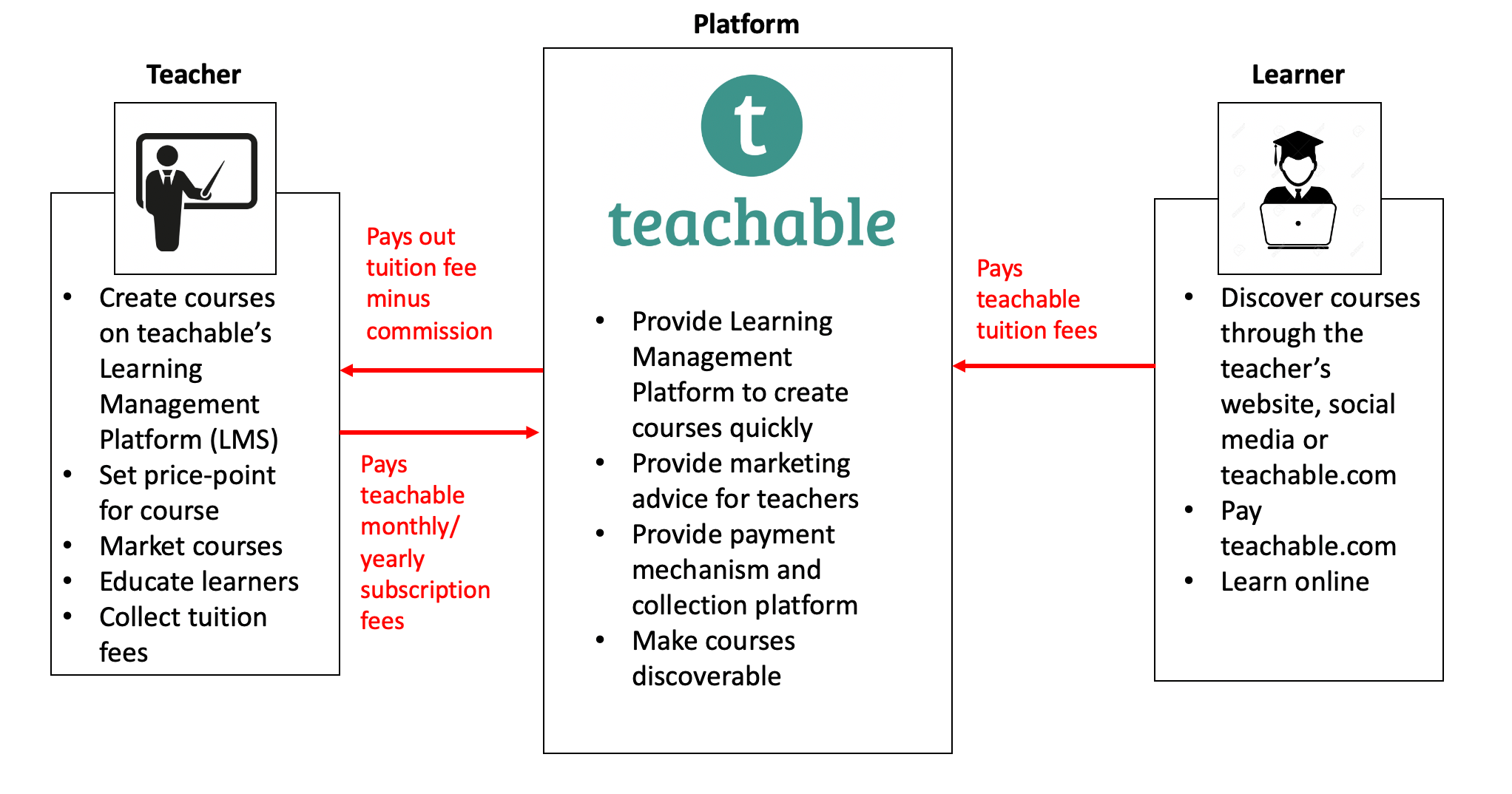
The monetization landscape for online courses has evolved significantly, moving beyond simple one-time purchases to more sophisticated, multi-layered revenue models. Teachable supports a wide range of monetization strategies that enable creators to maximize both short-term income and long-term customer value.
Subscription-based models are now a major trend. Instead of selling individual courses, creators use Teachable to build membership communities where users pay monthly or annually for continuous access to content, updates, and exclusive resources. This creates predictable recurring revenue and fosters stronger relationships with customers.
Another effective strategy is value stacking. Creators bundle courses, templates, coaching sessions, and community access into comprehensive packages. Teachable makes it easy to structure these offers and present them in a way that increases perceived value while justifying higher price points.
Upselling and cross-selling are also critical components. A customer who purchases an entry-level course can be guided toward premium programs, certifications, or personalized coaching. Teachable enables these transitions seamlessly, allowing creators to build a complete value ladder that maximizes lifetime customer value.
Global accessibility further enhances monetization potential. With support for multiple currencies and payment methods, Teachable allows creators to reach international audiences without friction, significantly expanding their revenue opportunities.
Unlock AI PowerMarketing and Audience Building Evolution
Marketing has become one of the most important factors determining success in the online course industry. In 2026, simply having high-quality content is not enough—creators must also master audience acquisition and conversion strategies. Teachable plays a crucial role by integrating marketing tools directly into its platform.

Content-driven marketing is now the dominant approach. Creators use platforms like YouTube, TikTok, and newsletters to attract and educate potential customers before directing them to their Teachable sales pages. This approach builds trust and positions the creator as an authority in their niche.
Teachable supports this ecosystem with customizable landing pages, affiliate marketing systems, and detailed analytics. Creators can track user behavior from the first interaction to the final purchase, allowing them to identify bottlenecks and optimize conversion rates.
Email marketing remains a powerful channel, and Teachable integrates seamlessly with automation tools that nurture leads over time. By delivering consistent value through content and communication, creators can build loyal audiences that are more likely to convert into paying customers.
In an increasingly competitive landscape, the ability to combine strong content with data-driven marketing strategies is what separates successful course businesses from those that struggle to gain traction.
Challenges and Competitive Landscape
While the opportunities in online education are vast, the industry also presents significant challenges. The low barrier to entry means that competition is intense, with thousands of new courses launching every month. Teachable simplifies the technical side of building a course, but it does not eliminate the need for strategic thinking and differentiation.
One of the biggest challenges is content saturation. Many markets are crowded with similar offerings, making it difficult for new creators to stand out. Teachable provides tools for branding and customization, but success ultimately depends on the creator’s ability to deliver unique value and solve specific problems.
Another issue is student engagement. A large percentage of users purchase courses but never complete them. Teachable addresses this with features like drip content, quizzes, and integrations with community platforms, but creators must also design engaging, actionable lessons that keep students motivated.
Pricing pressure is also a concern. As competition increases, some creators lower prices to attract customers, which can reduce overall profitability. Teachable helps mitigate this by enabling diverse monetization strategies, but creators must carefully balance pricing with perceived value.
Despite these challenges, those who approach the market strategically can still achieve significant success.
The Future of Online Course Businesses
The future of online course businesses is closely tied to advancements in technology and changes in consumer behavior. Teachable is expected to continue evolving by integrating more sophisticated AI tools that enhance personalization and automate key aspects of the learning experience.
In the coming years, we are likely to see a shift toward adaptive learning systems, where course content dynamically adjusts based on individual progress and preferences. Teachable is well-positioned to lead this transition by leveraging data and automation to create more effective learning experiences.
Another important trend is the integration of education with real-world outcomes. Certifications, skill validation, and partnerships with employers may become standard features, allowing students to translate their learning into tangible career opportunities. Teachable could play a key role in bridging this gap by providing tools for credentialing and verification.
Community-driven learning will also become more prominent. Instead of isolated courses, creators will build ecosystems where students can interact, collaborate, and learn from each other. Teachable is likely to expand its community features to support this trend.
Ultimately, Teachable represents the ongoing shift toward decentralized, creator-driven education. As the platform continues to innovate, it will remain a central player in shaping the future of digital learning.
Conclusion
The evolution of online course businesses in 2026 reflects a broader transformation in how knowledge is created, distributed, and monetized. Teachable has been a driving force behind this change, empowering creators to build scalable, sustainable education businesses without relying on traditional institutions.
As the industry becomes more competitive and technologically advanced, success will depend on the ability to adapt, innovate, and connect with audiences on a deeper level. By leveraging the full capabilities of Teachable, creators can position themselves at the forefront of this rapidly evolving digital economy and unlock new opportunities for growth and impact.


